ONE EPISODE, A STARTING POINT

Why incompetent people think they're brilliant

7:59Marco Montemagno · podcast RSS

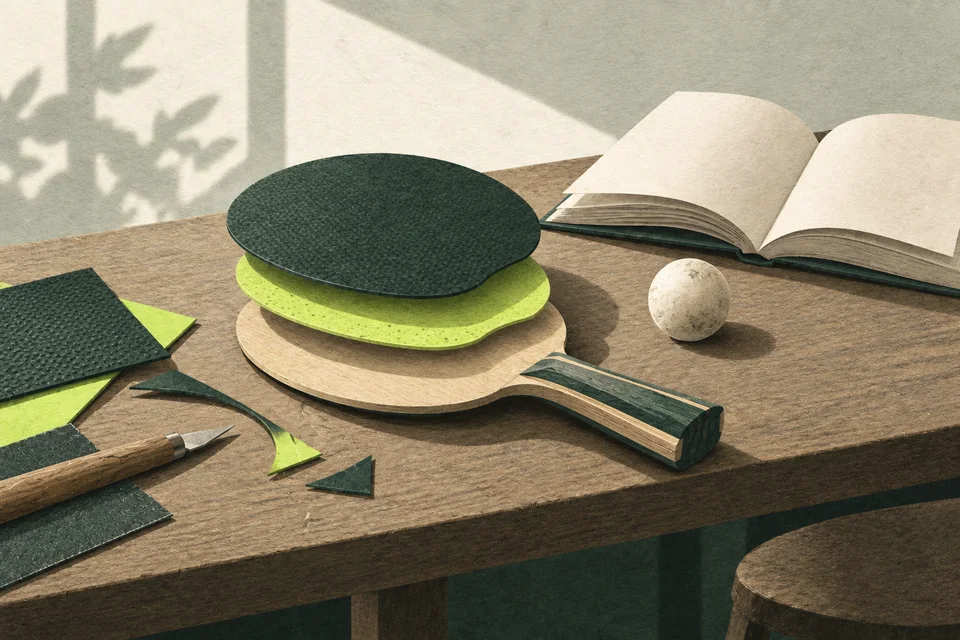
A tennis defeat prompts Montemagno to reflect, with self-deprecating humour, on the gap between actual ability and self-image. He describes an excessive reaction to a friendly match with no prize and invokes a simplified account of the Dunning–Kruger effect. He jokingly renames his own version: knowing he is not a champion does not stop him feeling like one while playing. His suggestions are to let emotions settle, examine results and distinguish an online search from genuine expertise, illustrated through a household problem that a technician quickly resolves. The central point concerns expectations: experience in table tennis does not automatically transfer to tennis, just as sporting success does not guarantee sales skills. He also urges listeners to update the labels they use to describe themselves instead of judging their present abilities against an identity from twenty years earlier. These are personal reflections and anecdotes, rather than a clinical assessment or a scientific demonstration.

BEFORE YOU PRESS PLAY

What is discussed

AskMonty AI editorial noteSource consulted:

A tennis defeat prompts Montemagno to reflect, with self-deprecating humour, on the gap between actual ability and self-image. He describes an excessive reaction to a friendly match with no prize and invokes a simplified account of the Dunning–Kruger effect. He jokingly renames his own version: knowing he is not a champion does not stop him feeling like one while playing. His suggestions are to let emotions settle, examine results and distinguish an online search from genuine expertise, illustrated through a household problem that a technician quickly resolves. The central point concerns expectations: experience in table tennis does not automatically transfer to tennis, just as sporting success does not guarantee sales skills. He also urges listeners to update the labels they use to describe themselves instead of judging their present abilities against an identity from twenty years earlier. These are personal reflections and anecdotes, rather than a clinical assessment or a scientific demonstration.

Key points

  • A friendly match becomes a personal example of expectations that exceed actual ability.
  • Montemagno uses Dunning–Kruger informally and humorously to discuss overestimating oneself.
  • Letting emotions settle and checking the facts helps distinguish personal theories from actual expertise.
  • Skills and expectations need assessing for each activity: table tennis and tennis require different standards.
  • Updating one’s self-image prevents attachment to an identity or level of preparation from the past.
Open the source: Perché chi è incapace crede di essere un fenomeno

Words to decode

Full dictionary

2glossary expressions documented here

Each expression counts once per item, even when repeated. The overall ranking covers the reviewed portion of the archive.

Open a symbol to discover its meaning. Checked against the source material. View source

Ping-pong / table tennis

A reference to his background: Marco says he played table tennis professionally when he was younger. This explains his mentions of paddles and his sporting experience.

Across the reviewed archive: 242 items
#1 in the ranking

Dictionary entry
Spippolare / smanettare

Tinkering with tools, apps and settings: trying things out to understand them and build something.

Across the reviewed archive: 111 items
#5 in the ranking

Dictionary entry

SWITCH GEARS. GET CURIOUS.

Reality has a sense of humour.

30 seconds. A different perspective.